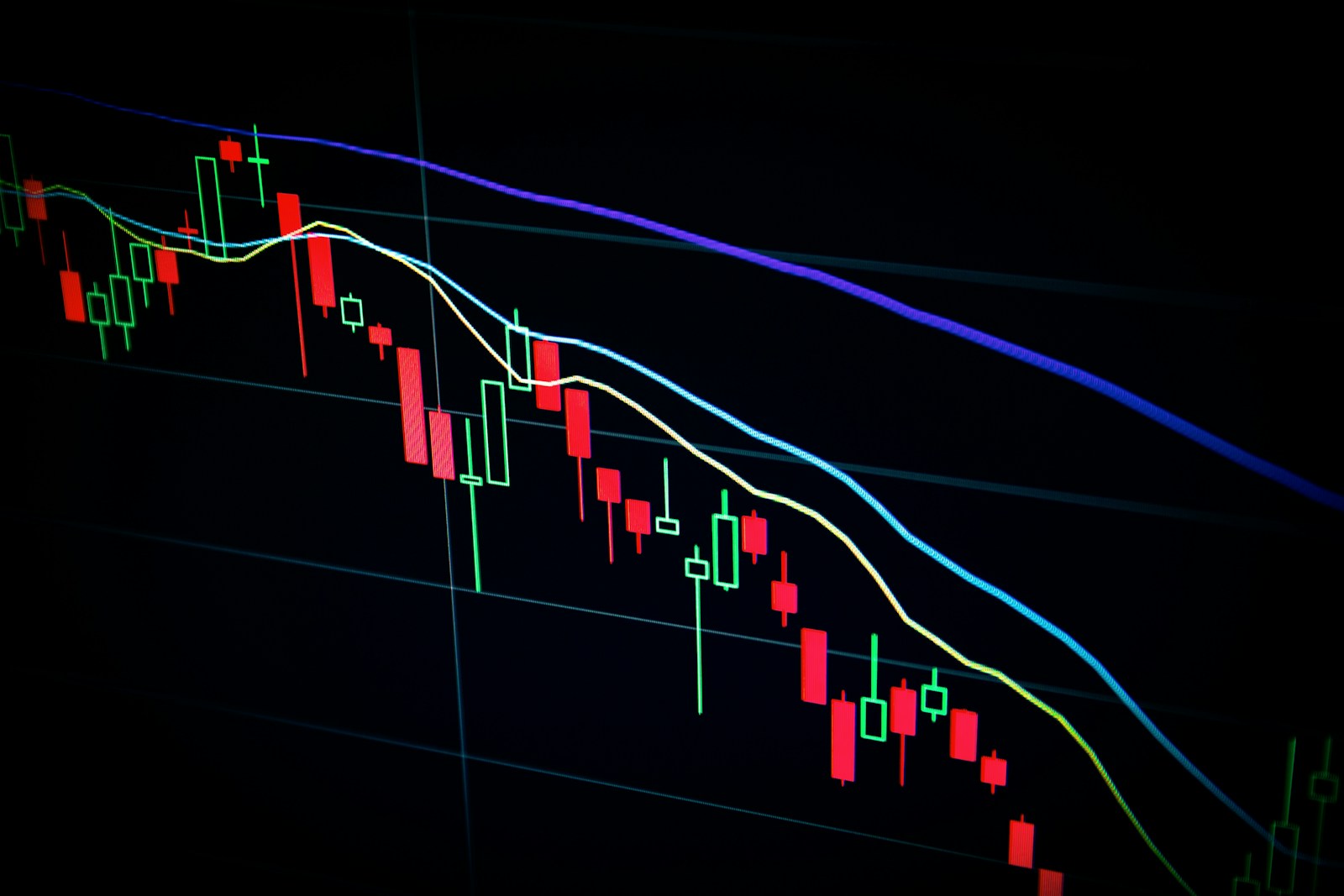
ETH/BTC at 0.0283 — multi-year low. Down 35% YTD against BTC, down 58% from the 2024 cycle peak of 0.067.
For anyone trading the alt-season thesis, the chart is the chart. Until ETH/BTC bases, broader alts don't run. The ratio is the leading indicator. Right now it's still falling.
What's actually happening
Three structural drivers, in order of weight:
-
ETF flow asymmetry. Spot BTC ETFs continue to outpace spot ETH ETFs by roughly 4:1 on net inflows. Institutional money is anchoring BTC and largely ignoring ETH. Mid-tier institutions still treat BTC as the "crypto position" and don't go deeper into alternatives.
-
Restaking unwind. The 2024 EigenLayer thesis priced in significant ETH staking yield premium. As restaking yields normalized to 4-6% (from the speculative 15-20% range), the ETH-specific narrative cooled. Capital that was here for restaking yield rotated out.
-
Layer 2 value capture question. ETH mainnet activity is structurally lower than 2021-2022 because L2s now handle most volume. Whether that's positive (more usage) or negative (less fee revenue accruing to ETH) is still being priced. The market is currently voting "negative."
What would change the ratio
Three conditions, any of which materially shifts the picture:
- Spot ETH ETF inflows accelerate. Currently running at maybe 25% of BTC ETF rate. A regime change here is the clearest reversal signal.
- A specific Ethereum upgrade with measurable economic impact. Pectra raised the staking cap; that didn't move the ratio. The next big lever is whatever ships next — current target Q3 2026.
- An L2 makes ETH dominance feel "won." If Base, Arbitrum, or Optimism crosses a usage threshold that visibly demonstrates ETH's network effect compounding, the value-capture question quiets down.
None of these are imminent. The ratio could spend the rest of 2026 in the 0.027-0.035 range while BTC outperforms.
What's priced in
ETH options pricing tells the story. 1-month 25-delta put-call skew is -8.5 vs -4.2 on BTC. Dealers are aggressively long puts on ETH and not on BTC. The implied vol differential is consistent with a market positioned for ETH underperformance to continue.
This is a crowded trade. Crowded trades reverse violently when they reverse. But "they reverse when they reverse" is not a calendar — it's a setup that needs an actual catalyst.
Trade structure for the ratio
For those positioned for an eventual reversion:
- ETH/BTC ratio basis trade. Long ETH-perp, short equivalent BTC-perp. Funds your bet on the ratio without taking a directional view. Carries the funding cost differential.
- ETH call spreads vs BTC put spreads. Captures the implied vol asymmetry. More capital-efficient than the underlying pairs.
- Direct ratio exposure via index products. A few platforms now offer this directly.
For those positioned for continued underperformance:
- Short ETH, long BTC. Has been the trade for the last 6 months. Crowded but still working.
- Sell ETH call premium. Implied vol on ETH is elevated relative to realized. Worth fading.
Levels to watch
- 0.030 — first resistance. A clean break above with positive ETH-spot inflows would suggest the basing process is starting.
- 0.027 — recent low. Break below this opens to 0.024-0.025, which is the 2020 range.
- 0.035 — confirmation level. Acceptance above flips the medium-term picture from "alts dead" to "rotation starting."
Bottom line
Alt season starts when ETH/BTC stops falling. It's still falling. Anyone calling for an alt rally in May-June 2026 is fighting the ratio, and the ratio has been right for a year.
The reversal will come. Predicting when is harder than the math implies. Watch the catalysts, not the calendar.
Derivatives can result in losses exceeding deposit. Position your ratio bets accordingly.