BTC dominance (BTC market cap as % of total crypto market cap): 58.4%. Up from 52% one year ago, 47% two years ago.
The headline number is incomplete without context. Two markets can have the same dominance number with completely different compositions — one with strong alt activity and the other with capitulation-mode alts.
How dominance moves
BTC dominance increases under three scenarios:
- BTC price rises faster than altcoin prices. Most common in early bull cycles. Bullish dynamic.
- Altcoin prices fall faster than BTC. Common during corrections. Bearish dynamic for alts, bullish for BTC dominance.
- New altcoin issuance is below historical pace. Less common; happens during regulatory environments that suppress new launches.
The current 58.4% has been driven by a mix of (1) and (2):
- BTC has outperformed broad alt indexes by ~25% over the last 12 months.
- ETH has underperformed BTC by ~30%.
- Smaller alts have underperformed BTC by 50%+ in aggregate.
The drivers are real and structural, not noise.
The composition matters
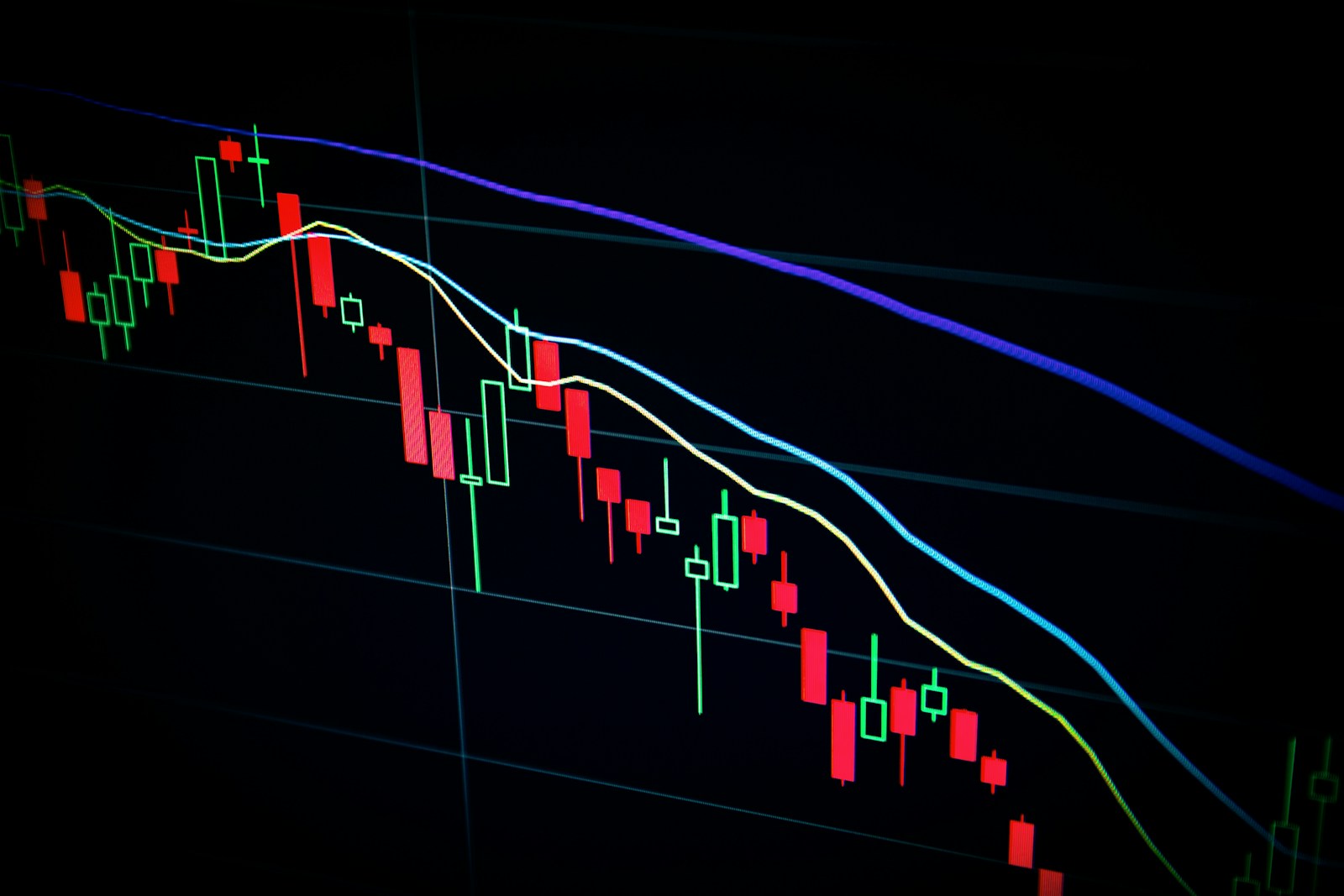
Breaking down the non-BTC 41.6%:
- ETH: 18.2% of total market cap
- Stablecoins: 7.4%
- Other top-10 alts (BNB, SOL, XRP, etc.): 11.5%
- Long tail (everything else): 4.5%
Two things stand out:
1. ETH's share is structurally lower than recent peaks
ETH was 22%+ of total market cap during 2024 highs. Now 18.2%. This drop alone accounts for ~4 percentage points of BTC dominance gain.
2. The long tail share is at 4.5%
This is the "everything beyond top 10" bucket. It includes thousands of smaller tokens. The 4.5% level is near historical lows — meaningful indication that speculative alt activity has been suppressed.
For comparison:
- 2021 cycle peak: Long tail at ~11%
- 2017 cycle peak: Long tail at ~14%
- Mid-2022 capitulation: Long tail at ~3.5%
Current 4.5% is closer to capitulation lows than to peak speculation. The structural read: speculative alt activity has not returned.
What dominance predicts
The historical patterns:
Dominance rising during BTC rallies → bullish for BTC, neutral-to-bearish for alts
This is the most common pattern at this stage of a cycle. Money flows into BTC first, often through ETF and institutional channels. Alts get the leftover bid.
Dominance falling during BTC rallies → bullish for everything
The "alt season" pattern. Money rotates from BTC to ETH to large alts to small alts. Dominance falls because BTC appreciates slower than the alts catching up.
Dominance rising during BTC declines → bearish broadly
Capitulation in alts ahead of BTC. The "flight to quality within crypto" pattern.
Dominance falling during BTC declines → bearish for BTC specifically
Rare but happens during BTC-specific concerns (e.g., regulatory fears in a single jurisdiction). Money rotates out of BTC into alts as a hedge.
Current setup: dominance rising slowly during sideways BTC action. Mildly bullish for BTC, neutral for top alts, structurally bearish for the long tail.
The 60% level
BTC dominance approaching 60% is historically significant. The level has acted as resistance in past cycles. Reasons:
- At 60%+, the BTC trade gets crowded relative to alts. Rotation pressure builds.
- ETH and large alts become structurally cheap vs BTC at extremes.
- The "alt season" thesis becomes more compelling as the divergence widens.
In past cycles, 60% has been a turning point. Whether this is true this cycle is unknowable.
Trade implications
For positioning:
- BTC-heavy allocations continue to benefit from the dominance trend.
- ETH allocations are positioned for the eventual mean reversion. Higher beta than BTC on the way up; risk of continued lagging on the way down.
- Small-cap alt allocations are positioned for an alt season that hasn't materialized for two years. Long-term contrarian bets.
For rotation timing:
- The most likely rotation trigger is a meaningful spot ETH ETF flow inflection. Until that happens, dominance can continue grinding higher.
- A specific catalyst — major Ethereum upgrade announcement, change in regulatory tone toward alts — could shift the picture.
- No specific catalyst is imminent. The structural setup favors continuation of the current dominance trend through the next quarter.
What would invalidate
The dominance read fails if:
- ETH/BTC ratio shows clean basing. Currently at 0.0283 and still falling. A clean reversal would be the earliest rotation signal.
- Major altcoin sector rotation. If multiple sectors (AI tokens, gaming, etc.) start showing sustained relative strength, the dominance trend could pause.
- BTC-specific weakness. Reduced ETF flows or regulatory pressure on BTC could disrupt the structural buyer base.
None are currently active.
Bottom line
BTC dominance at 58.4% reflects real structural drivers: institutional flow into BTC, ETH underperformance, suppressed alt speculation. The trend has been consistent for 18 months.
For positioning, the implication is: BTC-heavy allocations remain the structurally easier path. Alt allocations need specific theses, not just "alt season eventually."
The 60% level is worth watching as a historical resistance. Until that level is broken with sustained dominance above it, the trend is intact but approaching a known inflection zone.
None of this is financial advice. Market cycles turn. Position for the next phase but don't predict its timing.